
Trusted by 155+ Homeowners
What Certification Do Biohazard Cleanup Crews Need?
- Over 155 5-Star Reviews
- Free Estimates and Quotes
- 100% Satisfaction Guaranteed
- Child, Family & Pet Safe Steps
- 24-Hour Emergency Service
- Fully Licensed & Insured

Biohazard cleanup crews need specialized training and certifications to handle dangerous situations safely. Certifications ensure they have the knowledge and skills for proper containment, decontamination, and disposal.
The specific certifications required for biohazard cleanup vary by state and the type of cleanup, but generally involve training in bloodborne pathogens, hazardous materials handling, and infection control.
TLDR;
- Biohazard cleanup requires specialized certifications for safety and effectiveness.
- Key certifications cover bloodborne pathogens, hazardous waste, and infection control.
- Proper training protects both the cleanup crew and the occupants of the property.
- Regulations dictate disposal methods for biohazardous waste.
- Choosing a certified company is vital for thorough and safe remediation.
What Certification Do Biohazard Cleanup Crews Need?
When dealing with a biohazard situation, you want to know that the professionals arriving at your door are fully equipped. This means they’ve undergone rigorous training and hold specific certifications. These aren’t just nice-to-haves; they are essential for ensuring the job is done safely and effectively. We found that a lack of proper certification can lead to incomplete cleanup and lingering health risks.
The Importance of Specialized Training
Biohazard cleanup is far more than just a deep clean. It involves dealing with potentially infectious materials. Think of situations like unattended deaths, crime scenes, or severe accidents. These events can leave behind biological hazards that pose serious health risks if not handled correctly. Certified crews understand the science behind decontamination. They know how to neutralize pathogens and eliminate odors at their source.
Bloodborne Pathogen Training
A cornerstone of biohazard certification is training in bloodborne pathogens (BBPs). This training, often mandated by OSHA (Occupational Safety and Health Administration) in the US, teaches crews about the dangers of diseases like HIV, Hepatitis B, and Hepatitis C. They learn how these pathogens spread and, more importantly, how to prevent transmission. This includes using the right personal protective equipment (PPE) and understanding exposure control plans. It’s about protecting themselves and preventing cross-contamination.
Hazardous Materials Handling
Biohazard materials are considered hazardous waste. Therefore, crews need training in handling and disposing of these materials legally and safely. This often involves specific state and federal regulations. They learn about proper containment procedures, transportation requirements, and disposal site protocols. Improper disposal can lead to environmental contamination and legal penalties. This training is key for safe and compliant waste management.
Understanding Infection Control Principles
Beyond BBPs, certified professionals are trained in broader infection control principles. This encompasses understanding how different microorganisms spread and how to break the chain of infection. They learn about disinfection, sterilization, and sanitation techniques. This knowledge is applied to every surface and item that may have come into contact with the biohazard. It’s about ensuring a truly sanitized environment.
What About Situations Like Sewage Backups?
Even situations like sewage backups create biohazardous conditions. Raw sewage contains a cocktail of bacteria, viruses, and parasites. The initial response often involves urgent sewage cleanup steps. Crews need to be trained to deal with these specific contaminants. They understand the differences between various types of water damage and the associated risks. This is crucial for effective remediation. For instance, understanding the health risks from sewage backups is paramount.
Industry-Specific Certifications
While OSHA training covers the basics, many specialized certifications exist. Organizations like the Institute of Inspection, Cleaning and Restoration Certification (IICRC) offer programs relevant to biohazard remediation. These courses often go into greater detail on specific types of cleanup, such as trauma scene cleanup or hoarding situations. They provide advanced techniques and best practices. Passing these courses demonstrates a commitment to expert-level restoration services.
The Role of State and Local Regulations
It’s important to remember that regulations can vary. Some states have specific licensing requirements for biohazard remediation companies. These might involve background checks, insurance minimums, and proof of ongoing training. Always check if the company you are considering has met all local and state mandates. This ensures they are operating legally and to a recognized standard. It’s about hiring a reputable and compliant service.
Why Certification Matters to You
So, why should you care about these certifications? Because they directly impact your safety and the thoroughness of the cleanup. A certified crew has proven they have the knowledge to handle biohazards correctly. They understand the risks involved and have the training to mitigate them. This means they are less likely to miss critical areas or leave behind residual contamination. It’s about peace of mind and a healthy living space.
What If the Cleanup Isn’t Done Right?
If biohazard cleanup is not performed by certified professionals, there are significant risks. Incomplete decontamination can lead to lingering pathogens. This can cause serious health risks for anyone returning to the property. Furthermore, improper disposal of waste can result in environmental damage and legal issues for the property owner. You don’t want to deal with the aftermath of a botched cleanup. It’s crucial to call a professional right away.
Here’s a look at what certified crews focus on:
- Identifying all potential biohazardous materials.
- Using appropriate PPE to prevent exposure.
- Applying EPA-approved disinfectants and cleaning agents.
- Containing contaminated materials effectively.
- Following strict protocols for waste disposal.
- Documenting the entire remediation process.
Choosing a Certified Biohazard Remediation Company
When searching for a biohazard cleanup service, always ask about their certifications and training. A reputable company will be transparent about their qualifications. They should be able to provide details on their staff’s training and any relevant industry certifications. Don’t hesitate to ask questions. It’s your property and your health on the line. You need to feel confident in the team you hire. This is about getting expert advice today.
Are There Different Levels of Certification?
Yes, there can be. Some certifications might be basic, covering general principles. Others are more advanced, focusing on specific types of biohazards or remediation techniques. For example, a crew trained in handling materials exposed to sewage water will have different protocols than one specializing in crime scene cleanup. Understanding the scope of their training helps ensure they are right for your specific situation. It’s important to know they can handle the damage that worsens over time.
The Consequences of Using Uncertified Services
Using uncertified individuals or companies can have severe consequences. They might not have the proper equipment or knowledge. This could lead to inadequate cleaning, leaving behind biological contaminants. They may also not follow legal disposal methods, creating further problems. The potential for preventing bacteria from spreading is greatly reduced. This can result in a need for costly re-mediation by a certified professional.
Training for Specific Contaminants
Different biohazards require different approaches. For instance, cleaning up after a crime scene involves different protocols than sanitizing after a flood with contaminated water. Crews trained in black water cleanup precautions will have a specific set of skills. They understand the unique challenges and risks. This specialized knowledge ensures that the remediation process is tailored to the specific contaminant. It’s about preventing bacteria from spreading effectively.
Chain of Custody and Documentation
In some biohazard situations, maintaining a chain of custody for evidence might be necessary. Certified professionals understand these requirements. They know how to document their findings and the remediation process meticulously. This is vital if legal proceedings are involved. Proper documentation ensures that the cleanup meets all legal and regulatory standards. It is part of the water intrusion cleanup steps that ensure thoroughness.
Conclusion
When you face a biohazard situation, the need for qualified professionals is paramount. The certifications required for biohazard cleanup crews ensure they possess the necessary knowledge and skills to handle dangerous materials safely and effectively. From bloodborne pathogen training to hazardous waste handling and infection control, these qualifications protect everyone involved. While regulations can vary, seeking a company that prioritizes certified, trained personnel is key to a successful and safe remediation. At Bradenton Damage Restoration Pros, we understand the critical importance of proper certification and employ highly trained professionals dedicated to restoring your property and ensuring your safety.
What is the main goal of biohazard cleanup certification?
The main goal is to ensure that cleanup crews have the necessary knowledge and skills to safely and effectively remove hazardous biological materials. This protects the health of the crew, property occupants, and the general public. It also ensures compliance with environmental and health regulations.
Are there any federal requirements for biohazard cleanup certifications?
While there isn’t one single federal certification mandated for all biohazard cleanup, federal agencies like OSHA have specific training requirements. These include training on bloodborne pathogens and hazard communication for workers who may be exposed to such materials.
What is the difference between cleaning and biohazard remediation?
General cleaning involves removing dirt and grime. Biohazard remediation goes much further. It involves the specialized removal, decontamination, and disposal of biological substances that pose a threat to health. This includes things like blood, bodily fluids, and contaminated materials. Remediation requires specific training and equipment.
How can I verify if a biohazard cleanup company is certified?
You can ask the company directly about their certifications and training programs. Reputable companies will be transparent and happy to share this information. You can also check with industry organizations like the IICRC or your state’s licensing board, if applicable, to verify credentials.
What are the risks of not using a certified biohazard cleanup crew?
The risks are significant. Uncertified crews may not have the proper training or equipment, leading to incomplete decontamination. This can leave behind dangerous pathogens, posing serious health risks. Improper disposal of waste can also lead to environmental contamination and legal issues. There are also health risks from sewage backups that require expert attention.
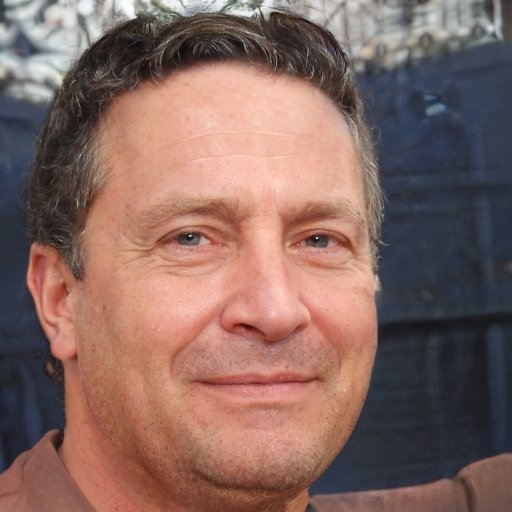
With over 20 years of hands-on experience, Philip Sosa is a seasoned Damage Restoration Expert dedicated to property recovery. As a licensed specialist, Philip has spent two decades mastering the complexities of emergency restoration, helping thousands of homeowners navigate the aftermath of disasters with precision and care.
𝗖𝗲𝗿𝘁𝗶𝗳𝗶𝗰𝗮𝘁𝗶𝗼𝗻𝘀
Philip holds multiple elite IICRC certifications, including Water Damage Restoration (WRT), Applied Structural Drying (ASD), Mold Remediation (AMRT), Fire and Smoke Restoration (FSRT), and Odor Control (OCT).
𝗕𝗲𝘀𝘁 𝗣𝗮𝗿𝘁 𝗼𝗳 𝘁𝗵𝗲 𝗝𝗼𝗯
For Philip, the most rewarding aspect of his work is restoring peace of mind. He takes pride in transforming a chaotic, stressful situation back into a safe, comfortable home for families.
𝗙𝗮𝘃𝗼𝗿𝗶𝘁𝗲 𝗣𝗮𝘀𝘁𝗶𝗺𝗲
When he isn’t on a job site, Philip enjoys coastal fishing and restoring vintage furniture.